


In 2024 I created the LEAD podcast with my good friend Geert van der Cruijsen. In this podcast we explored the various aspects of building an engineering culture. We made quite some episodes. With guests and without guests. And I thought it would be a great idea to share some of these stories combined with my insights from these episodes on this blog. All credits do not go to me. They go to Geert as well, and to our guests. And of course to Xebia, the company I work for, for making this possible.
DevX is not the same as productivity
This was a good distinction made early in the conversation. Developer productivity is what you get. Developer experience is what you give. It’s not about measuring lines of code or number of deploys. It’s about removing waste. About building systems, tools, and practices that let engineers focus on what matters.
And when you’re operating with more than 200 product teams, like our guest is, then investing in DevX is not a luxury, it’s survival.
Discoverability is the hidden bottleneck
One of the most interesting insights was that tooling wasn’t the issue. They had the tools. The problem was finding them. Knowing what existed, how to use it, and where to get started.
That’s why they built a developer portal. Not to enforce processes or add layers, but to give developers a single place to find what they need. Cloud accounts, APIs, documentation, templates, access, everything in one place. Not a single pane of glass, because we all know that term is worn out, but at least a solid entry point.
It reminded me how often we assume more tools will solve problems. When in fact, most teams are already drowning in tools. What they need is clarity.
You can’t improve what you don’t measure
This was another big takeaway. You can’t just say, we’ll improve developer experience, and leave it at that. You need to know what problems you’re solving and whether you’re actually solving them.
So they started measuring time saved. Very practically. How long would it take a developer to provision a cloud account the old way? Now, how long does it take using the portal? Multiply that across teams, and you suddenly have a real business case.
It’s not just about time, though. There’s something about reducing friction that makes developers happier. Less frustration, fewer blockers. That’s real value too, even if it doesn’t show up in a dashboard right away.
The importance of documentation, and what GenAI might change
As we talked further, it became clear that documentation is still a big pain. Good documentation is hard to write, hard to maintain, and often ignored. But it’s critical for developer experience.
This is where GenAI enters the picture. Not as a replacement for humans, but as a companion. Our guest shared how they’re already integrating generative AI into their developer portal. So if you’re looking at an API or a capability, you can chat with the assistant and ask what it does, how to use it, or even have it summarize long docs.
It’s early days, but the direction is clear. Documentation isn’t going away. But the way we consume it is changing. And maybe, finally, it’ll become less painful.
So where do you start?
If you’re in a smaller company, you might not need a full DevX setup. But the principles still apply. Even with just a few teams, think about what’s slowing them down. What tasks are they repeating? What’s hard to find or use?
And if you’re in a larger company, then it’s probably worth looking into team topologies. It gives you a model to think about stream-aligned teams, platform teams, and enabling teams. Without that structure, DevX won’t land.
Talk to your teams. Interview them. Run surveys. Don’t assume you know what the problem is. I liked how honest our guest was about this. They thought the problem was tooling. It turned out to be discoverability. You only learn that if you listen.
Final thoughts
Developer experience might sound like just another buzzword, but there’s substance underneath. It’s not just about tools. It’s about creating systems that reduce friction, give teams autonomy, and scale good practices across the company.
And when you get it right, it’s not just developers who benefit. It’s your customers. Because better developer experience leads to faster, more focused, and more resilient product delivery.
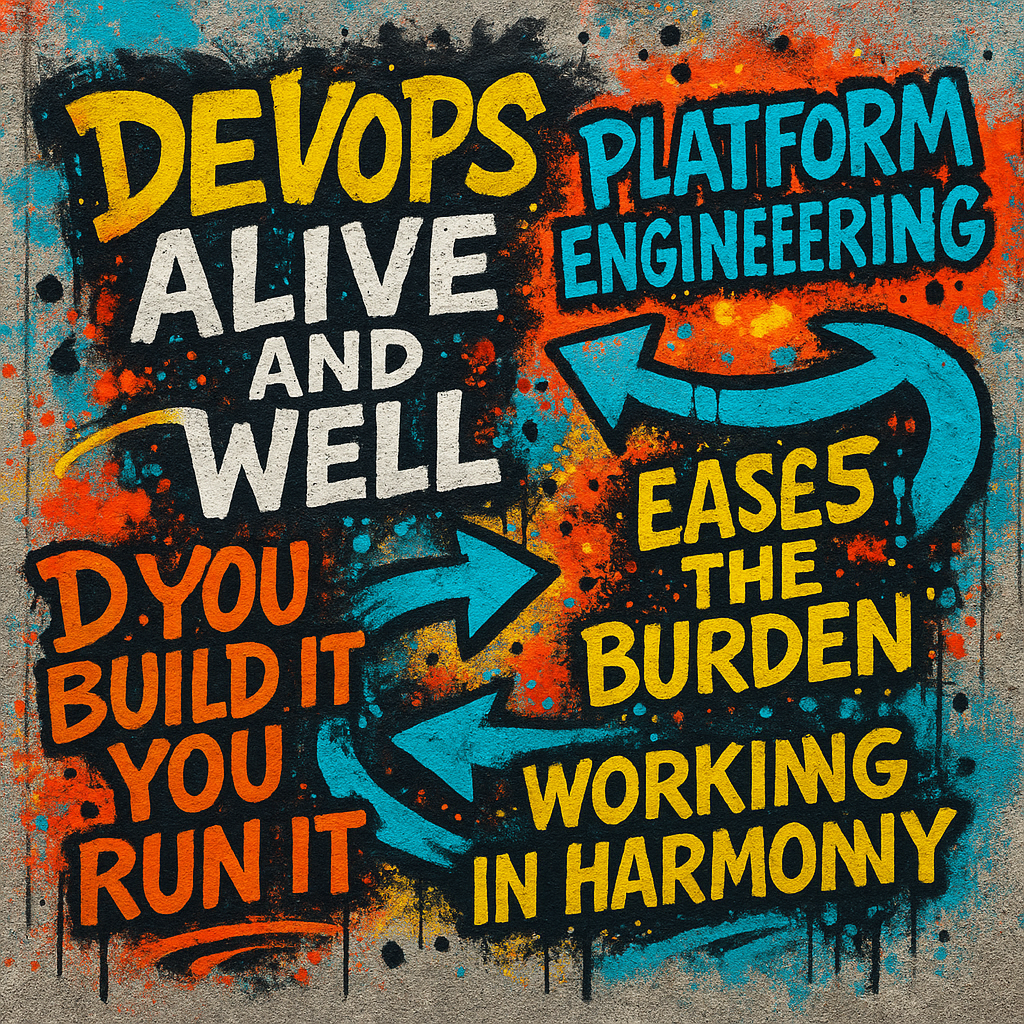
This isn’t just DevOps in a new jacket. It’s DevOps with a better fit.
The original Episode
If you want to listen to the original episode, you can listen to this


 The Road to ALM